
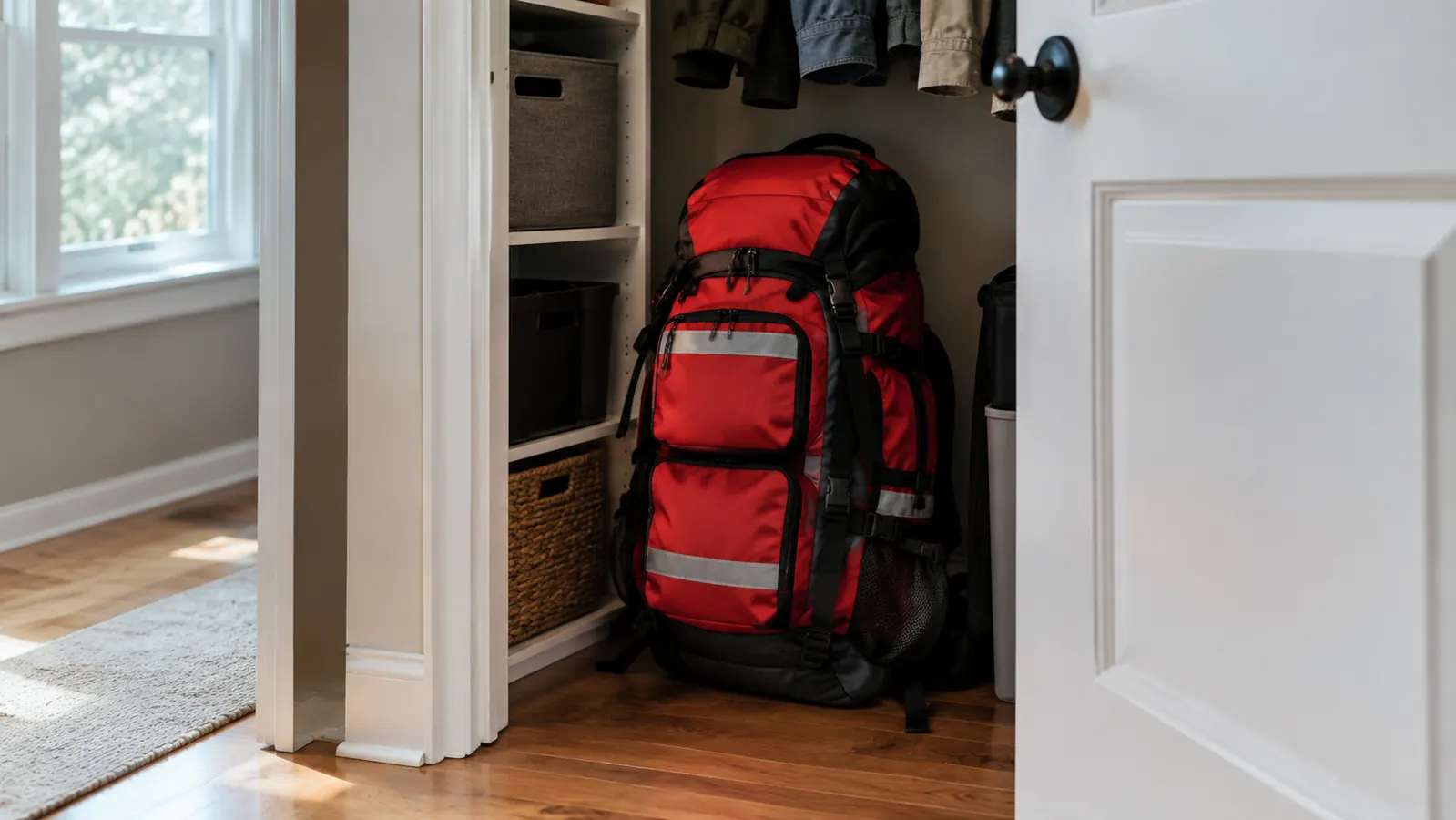
I spent thirty years restoring power after storms, and the one thing that always surprised me was how fast people ran out of the basics. Not food. Not water. The stuff they forgot to set aside before the lights went out. An ice storm in 2009 left my own house dark for nine days, and I watched neighbors burn through candles and canned soup in the first two days. So when I finally bought a ready-made kit instead of building my own from scratch, I wanted to know if the Ready America 2-person 72 hour kit could actually carry a family through the first three days. I kept the 70280 backpack in my hall closet for a year, opened it twice for practice drills, and took it on one overnight trip to the Smoky Mountain foothills to test what could be tested.
This is not a review written after unboxing it on the kitchen table. It is what I found after twelve months of living with the thing, restocking it, and using it the way an ordinary person would. My wife Carol and I treated it like the piece of household gear it is supposed to be: parked by the back door, ignored most of the time, and expected to work without complaining when the moment comes.
The Quick Verdict
The Ready America 70280 is the most sensible off-the-shelf 72-hour kit I have tested for the money. It covers food, water, light, and first aid for two people, packs into a real backpack, and leaves you room to add the things that matter most to your own family. It is not a bug-out bag for the end of the world. It is a solid three-day foundation for a normal household.
Amazon Check Today's Price →Want a 72-hour kit that covers two people without breaking the bank?
I kept this backpack by my back door for a full year. It held up, it stayed organized, and it gave my wife Carol real peace of mind during storm season. See today's price on Amazon and decide if it earns a spot in your own closet.
Amazon Check Today's Price on Amazon →How I've Used It
I bought the Ready America 70280 in March, before tornado season got serious. My plan was simple: keep it in the hall closet near the back door, check it every few months, and actually use the gear on an overnight trip so I knew it worked. I did not want a bag that looked good on a shelf and fell apart the first time it mattered.
In the past year I have done two full inventory drills. The first was in June, when I emptied every pocket onto the living room floor and checked dates, weights, and batteries. The second was in December, after the bag had sat through summer heat and a cold snap. I also carried the backpack on a ten-mile hike in the Smoky Mountain foothills and slept one night with the included emergency blanket to see if it was worth its space. That test mattered more than any spec sheet. A kit is only useful if you know what is in it and how to use it.
The overnight test was the most honest part of the year. I picked a clear night in late October, laid a tarp over pine needles, and used the emergency blanket as my only ground cover. The blanket is a thin sheet of reflective plastic, about the size of a large bath towel, and it did keep the cold off my back. It also crinkled with every move I made, so I slept about as well as you would expect. I would not trade my sleeping bag for it, but in a real emergency it is better than nothing, and it folds down to the size of a sandwich.
The kit stayed in the hall closet for most of that year, which is exactly what most families will do with it. It sat through a Tennessee summer where the closet hit 90 degrees and a January where the house stayed at 62. The only thing that needed replacing was one package of water pouches that I used during the hike. The food bars and first aid supplies were still in good shape when I checked them in December.
What You Actually Get in the 70280
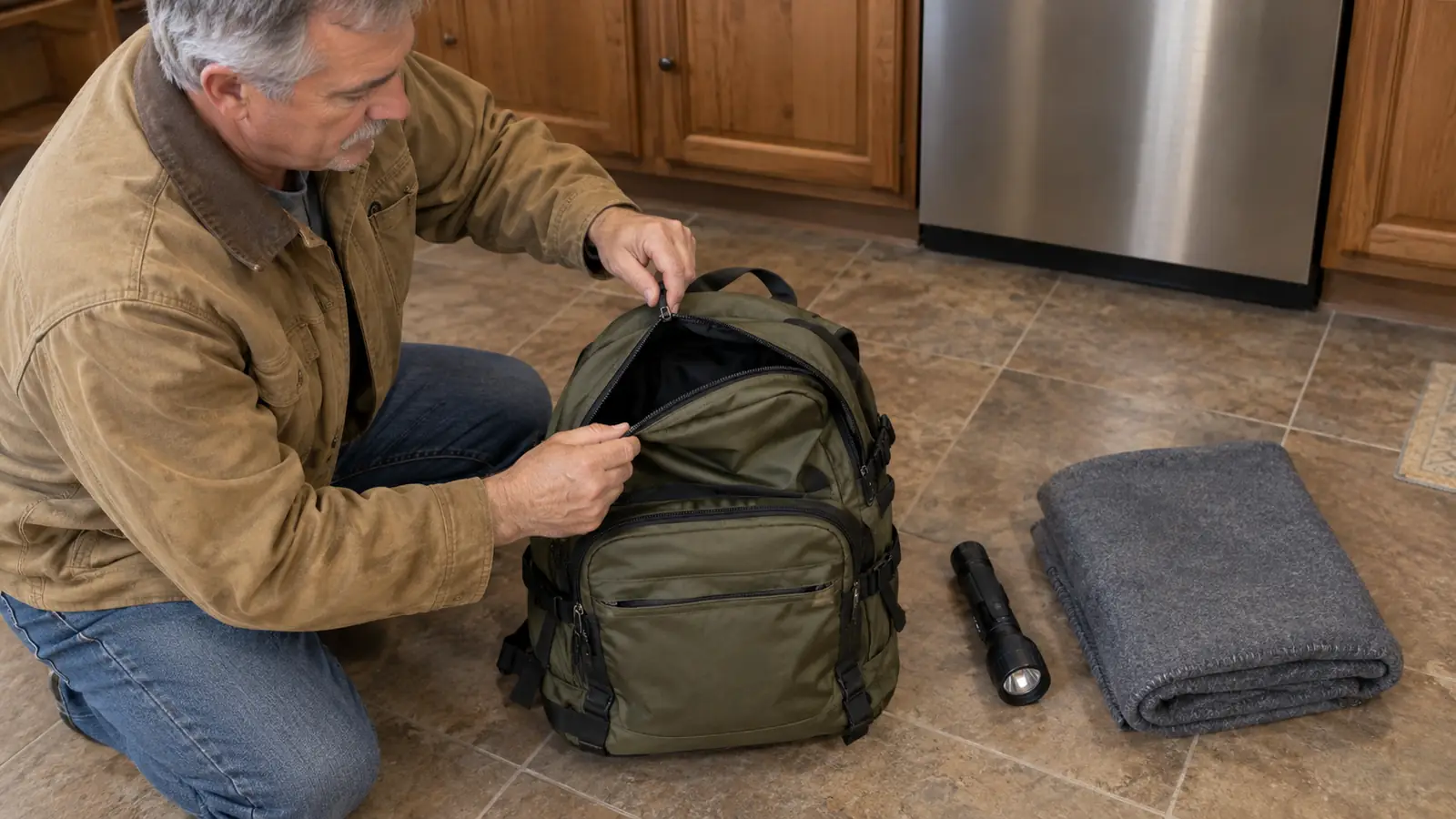
The Ready America 70280 is sold as a two-person, three-day kit, and for once the marketing matches the contents. The backpack comes with 24 servings of food bars, 12 water pouches, a first aid kit, a flashlight, a hand-crank radio, emergency blankets, a tube tent, a whistle, work gloves, a dust mask, and a basic hygiene kit. It also includes a small card that lists the contents so you can do a quick inventory without dumping everything on the floor. The bag weighed about 11 pounds out of the box, which is light enough that Carol can lift it onto a shelf without struggling.
The food bars are the biggest surprise. They are not gourmet, but they are edible, filling, and easy to chew, which matters when you are stressed and short on time. Each bar is about 200 calories, and the kit includes enough for two people to eat roughly 1,200 calories a day for three days. I ate two of them cold on the trail during the hike and one more by the fire that night. They taste like a firm oatmeal cookie with a hint of lemon, and they do not leave you thirsty the way some survival food does. That is not a feast, but it is enough to keep you functional, and you should be supplementing it with food from your own pantry anyway.
The water pouches are the weakest link in the kit, and I say that with respect. Each pouch holds about 4 ounces, which is nowhere near the half gallon per person per day that experts recommend. The kit gives you a starting point, not a full water supply. I added two 32-ounce stainless bottles to the outside pockets and that fixed the problem in five minutes. The pouches have a long shelf life, but I still rotated mine out after the hike because they had been opened. If I were building this kit from a bare shelf, I would want the pouches replaced with bottles and a way to filter or boil more water.
The work gloves and dust mask are easy to overlook, but they earn their space. The gloves are the kind of cotton gloves with a rubber palm that you would grab for moving debris, and the mask is a simple N95-style respirator. After a storm, those two items are what let you clear a fallen branch off the driveway or walk through a dusty room without coughing. I tested the gloves while hauling firewood in November, and they held up fine for a single load. They are not heavy-duty, but they are better than using your bare hands.
How It Held Up Over Twelve Months
The backpack itself is the part I was most skeptical about, because cheap zippers and thin straps are the first things to fail on budget gear. After a year of sitting, two full inventory drills, and a ten-mile hike with about 25 pounds in the bag, the Ready America pack still looks and works like new. The zippers slide smoothly, the shoulder straps stayed stitched, and the main compartment holds its shape even when it is packed full. I checked the seams along the bottom after the hike and found no loose threads. I also strapped it into the passenger seat of my 2012 Tacoma for a weekend trip to my brother's place, and it did not shift or shed anything.
The hand-crank radio and flashlight both worked when I tested them. The radio picked up local stations clearly from my kitchen, and it found NOAA weather broadcasts on the first try, which is the channel that matters when a storm is on the way. The flashlight threw a decent beam across a dark room and lasted through a full evening of reading. Neither feels like a premium product, but both did exactly what they were supposed to do. I would still add a headlamp to the kit, because hands-free light is worth its weight during a power outage.
The first aid kit is basic, and that is the right word for it. Bandages, gauze, antiseptic wipes, and a few other essentials. It will handle scrapes and minor cuts, but it will not handle a serious injury. I added a trauma dressing, a roll of medical tape, and a small bottle of ibuprofen. That took about four minutes and made the kit meaningfully more useful. I also checked the expiration dates on the ointment and wipes in December, and everything was still good.
The December drill taught me the most. I set a timer for 30 minutes and told Carol to grab the bag and meet me at the truck, the way we would if the house were filling with smoke. She had the bag in the cab in 90 seconds, but when we emptied it in the driveway we found the flashlight batteries had corroded slightly in their holder. That was my fault for not checking them in June. I cleaned the contacts, replaced the batteries, and wrote the date on a piece of tape inside the lid. It is a small lesson, but it is exactly the kind of thing that only shows up when you actually open the bag.
What I Liked
- Covers two people for three days right out of the box
- Real backpack with smooth zippers and padded straps
- Food bars taste fine and are easy to chew cold
- Hand-crank radio picks up NOAA weather channels
- Content card makes inventory checks fast
Where It Falls Short
- Water pouches only hold about 4 ounces each
- First aid kit is basic and needs upgrades
- Tube tent is thin and hard to set up
- Hygiene kit is minimal
- Not sized for families larger than two
After a year in the hall closet, the Ready America 70280 still zipped open smoothly, the radio still worked, and the food bars were still edible. That is the whole point of a kit: it has to work when you stop thinking about it.
What I Swapped Out and What I Added
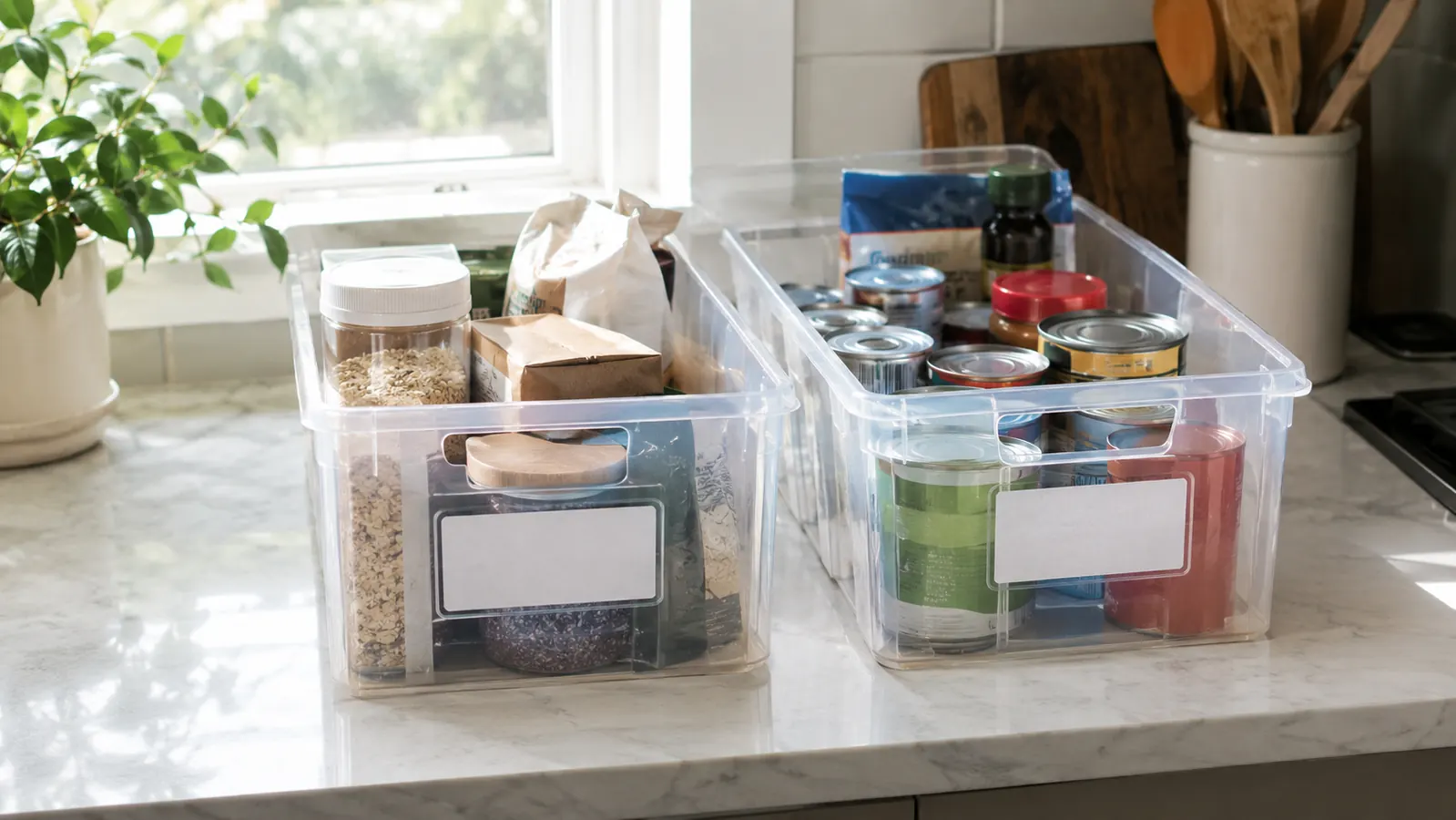
No off-the-shelf kit is perfect for every family, and the Ready America 70280 is no exception. I made five changes in the first month, and I would make all five again. First, I added the two stainless water bottles I mentioned, because the included pouches are not enough. Second, I added a headlamp and an extra set of AA batteries. Third, I upgraded the first aid kit with a trauma dressing, a roll of medical tape, and ibuprofen. Fourth, I added a small multi-tool and a roll of duct tape, because those two items solve more problems than anything else in an emergency. Fifth, I swapped the included whistle for one that floats, which is a minor upgrade at best.
I also took out two things. The tube tent is clever in theory, but in practice it is a thin sheet of plastic that is hard to set up and easy to tear. I kept it in the bag because it weighs almost nothing and could help in a pinch, but I would not count on it as real shelter. The hygiene kit is also minimal, so I added a small bar of soap, a travel toothbrush, and a pack of wet wipes. Those are cheap, light, and make a bad situation noticeably more comfortable.
The multi-tool and duct tape earned their keep faster than anything else I added. During the October hike, a strap on my boot snapped about three miles in. I wrapped it twice with duct tape and it held for the rest of the walk and the drive home. The multi-tool is a basic one with pliers, a knife blade, and a screwdriver, and I used the screwdriver in November to tighten a loose hinge on the closet door. Neither item is expensive, and both are the kind of thing you only need once for them to pay for themselves.
Who This Is For
The Ready America 70280 is for the family that wants a real 72-hour kit without assembling one from scratch. It is for people who live in tornado alley, hurricane country, or anywhere the power goes out for days at a time. It is for the couple that has thought about emergency prep but kept putting it off because it felt overwhelming. This kit removes the friction. You buy it, you put it in the closet, and you add the few things that matter to your own household. That is a realistic path to being prepared, and it is far better than owning nothing. If you are the kind of person who wants to be ready but will not actually build a kit from a checklist, this backpack is the shortcut that works.
Who Should Skip It
Skip the Ready America 70280 if you are building a kit for a family of four or more, because the two-person sizing means you would need to buy two and the cost adds up fast. Skip it if you are a serious prepper who already owns a full pantry, a water filter, and a go-bag, because you will outgrow it in a week. And skip it if you expect a single purchase to solve all of your preparedness needs. No kit replaces a plan, a stocked pantry, and a few hours of thinking about what your family would actually do in an emergency. For everyone else, it is a solid starting point, not a finish line.
A year later, I still reach for this bag first.
The Ready America 70280 has earned its spot in my hall closet. If you want a two-person 72-hour kit that is honest about what it includes and leaves room to make it your own, check today's price on Amazon.
Amazon Check Today's Price on Amazon →